
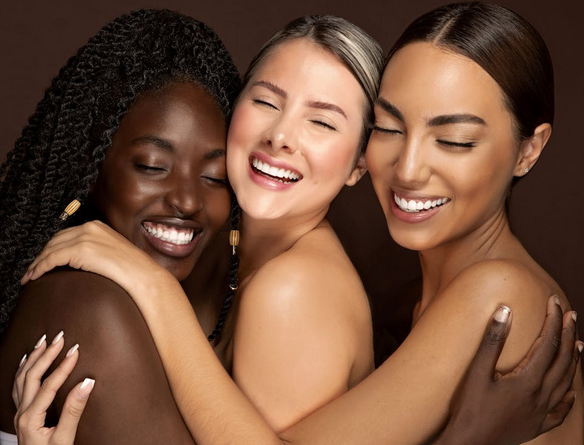
Embracing Beauty Diversity: How Brands Are Celebrating Every Skin Tone
Beauty has never been one size fits all. For decades, many people felt unseen by the beauty industry. That reality is changing. Brands are expanding shade ranges, rethinking campaigns, and listening more closely to consumers. Embracing diversity is no longer optional. It is expected. This article examines how brands are embracing every skin tone and why this shift is significant for both consumers and the industry.
The Shift Toward Inclusive Beauty Standards
Beauty standards once reflected narrow ideals. Many brands promoted limited tones and looks. Consumers pushed back. Social media amplified these voices. Brands responded by expanding definitions of beauty. Inclusion became part of the brand identity. This shift reflects cultural awareness and market demand. Celebrating diverse skin tones builds relevance and trust in a competitive industry.
Concealer Ranges and Expanding Foundation
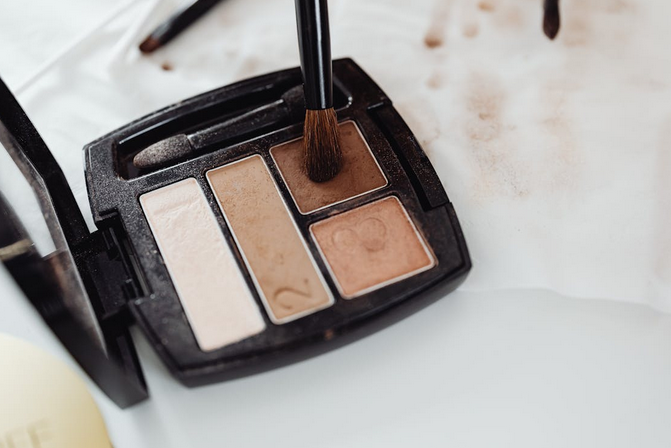
Foundation shades became a major focus. Brands began offering broader ranges across undertones and depths. This change addressed long-standing gaps. Inclusive shade lines help customers find better matches. It also reduces frustration during purchase. Expanded ranges show commitment beyond marketing. They represent practical change that affects daily routines.
Representation in Campaigns and Advertising
Advertising shapes perception. Brands now feature models of many skin tones in campaigns. This visibility matters. Seeing oneself reflected builds confidence and loyalty. Campaigns have become more authentic. Diversity feels natural rather than forced. Representation ensures that beauty messaging speaks to wider audiences with respect.
Product Development for Different Skin Needs
Skin tone diversity also involves skin behavior. Melanin-rich skin has different needs. Brands now develop products for hydration, protection, and pigmentation concerns. This approach improves product performance. It moves beyond color alone. Tailored formulas show deeper understanding and care. This level of attention helps ensure lasting satisfaction.
Influencer Partnerships and Community Voices
Influencers play a powerful role. Brands collaborate with creators from diverse backgrounds. These partnerships feel relatable. Influencers share honest experiences and application tips. Their voices add credibility. Community-driven content highlights real results. This approach builds connections and allows brands to learn directly from users.
Retail Experience and Shade Accessibility
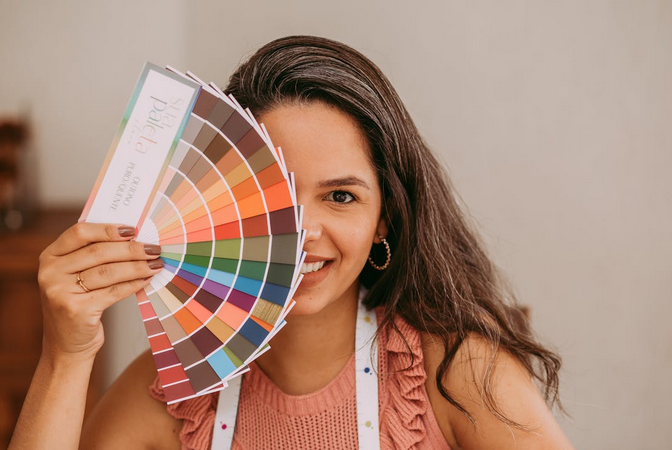
In-store experience matters. Brands improve testers, labeling, and lighting. Online tools now include shade-matching technology. These changes support confident buying. Accessibility reduces returns and disappointment. A thoughtful retail approach ensures customers feel considered at every step of the journey.
Challenges Brands Still Face
Progress does not erase challenges. Some brands struggle with consistency or supply. Others face criticism for performative efforts. Consumers expect action, not promises. Transparency is essential. Brands must listen and adapt. Authentic inclusion requires long-term commitment, not trends. This work remains ongoing and necessary.
Why Beauty Diversity Drives Brand Loyalty
Inclusive brands earn trust. Consumers support companies that respect identity. Beauty diversity fosters emotional connection. It signals fairness and awareness. This approach creates a unique relationship between brand and buyer. Loyalty grows when people feel valued and understood. Inclusion benefits both ethics and business outcomes.
Embracing diversity has reshaped the industry. Expanded shade ranges, inclusive marketing, and thoughtful product design reflect real change. Brands that commit to diversity build relevance and resilience. This movement celebrates individuality without compromise. When every skin tone is acknowledged, beauty becomes more honest, more human, and more powerful for everyone involved.…